Share your interest.
A first experience, a new training goal, or a return to aviation — tell the club what you have in mind and any experience you already have.
 NICOSIA AEROCLUBΑΕΡΟΛΕΣΧΗ ΛΕΥΚΩΣΙΑΣ
02 — YOUR NEXT CHAPTER
You don’t need to have it all figured out.
Start with a little curiosity.
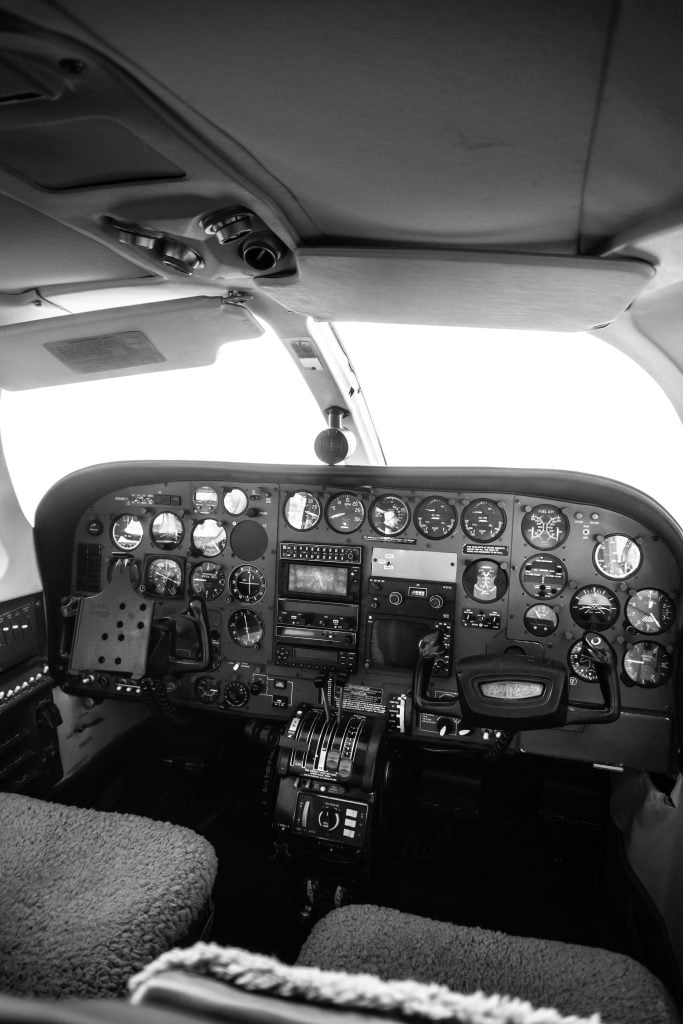 EVERY PILOT STARTS SOMEWHERE.
Curious about flying? A discovery flight is a chance to experience light aircraft flying and get to know the aeroclub. Ask our team about arranging your first experience.
FLIGHT TRAINING PARTNERS
Flight training is performed through our partners. Contact the aeroclub to discuss your interests and connect with the appropriate training provider.
Enquire about partner training ↗TURN CURIOSITY INTO A CONVERSATION
A first experience, a new training goal, or a return to aviation — tell the club what you have in mind and any experience you already have.
Discuss the options, provider, location, availability and costs. The team can help you identify the right person to speak with.
Confirm arrangements directly with the provider. Any requirements, documentation and weather-related changes should be clear before your visit.
AERO RALLY FLYING
Aero rally flying gives a flight a shared challenge. The pilot and navigator combine map reading, observation, timing and accurate flying to complete the organiser’s tasks. Competition formats may also include a precision landing task.
The Pilot-in-Command is responsible for the safe operation of the aircraft. Event participation does not replace the qualifications or operational requirements for the flight.
The navigator helps with map reading, observation and crew communication. Ask the organiser about eligibility and preparation for this role.
Tell us about your flying or navigation experience and the role you would like to explore. Each event has its own eligibility, costs and arrangements. Our club’s rally programme is announced on the Events page.
This guide introduces the sport; it is not a flight briefing or the rules for a particular rally.
ΑΕΡΟΡΑΛΛΥ
Το αεροράλλυ δίνει στην πτήση μια κοινή πρόκληση. Κυβερνήτης και ναυτίλος συνδυάζουν ανάγνωση χάρτη, παρατήρηση, χρονομέτρηση και ακρίβεια στην πτήση για να ολοκληρώσουν τις δοκιμασίες των διοργανωτών. Στην αγωνιστική μορφή μπορεί να περιλαμβάνεται και προσγείωση ακριβείας.
Ο Κυβερνήτης (PIC) είναι υπεύθυνος για την ασφαλή λειτουργία του αεροσκάφους. Η συμμετοχή δεν υποκαθιστά τα προσόντα ή τις επιχειρησιακές απαιτήσεις της πτήσης.
Ο ναυτίλος βοηθά στην ανάγνωση χάρτη, την παρατήρηση και την επικοινωνία του πληρώματος. Ρωτήστε τους διοργανωτές για τις προϋποθέσεις και την προετοιμασία αυτού του ρόλου.
Πείτε μας για την πτητική ή ναυτιλιακή εμπειρία σας και τον ρόλο που σας ενδιαφέρει. Κάθε εκδήλωση έχει δικές της προϋποθέσεις, κόστος και οργάνωση. Το πρόγραμμα της λέσχης ανακοινώνεται στη σελίδα Εκδηλώσεις.
Ο οδηγός αποτελεί εισαγωγή στο άθλημα, όχι ενημέρωση πτήσης ή κανονισμό συγκεκριμένης εκδήλωσης.